What We Actually Do—Step by Step

Start With Direct Observation
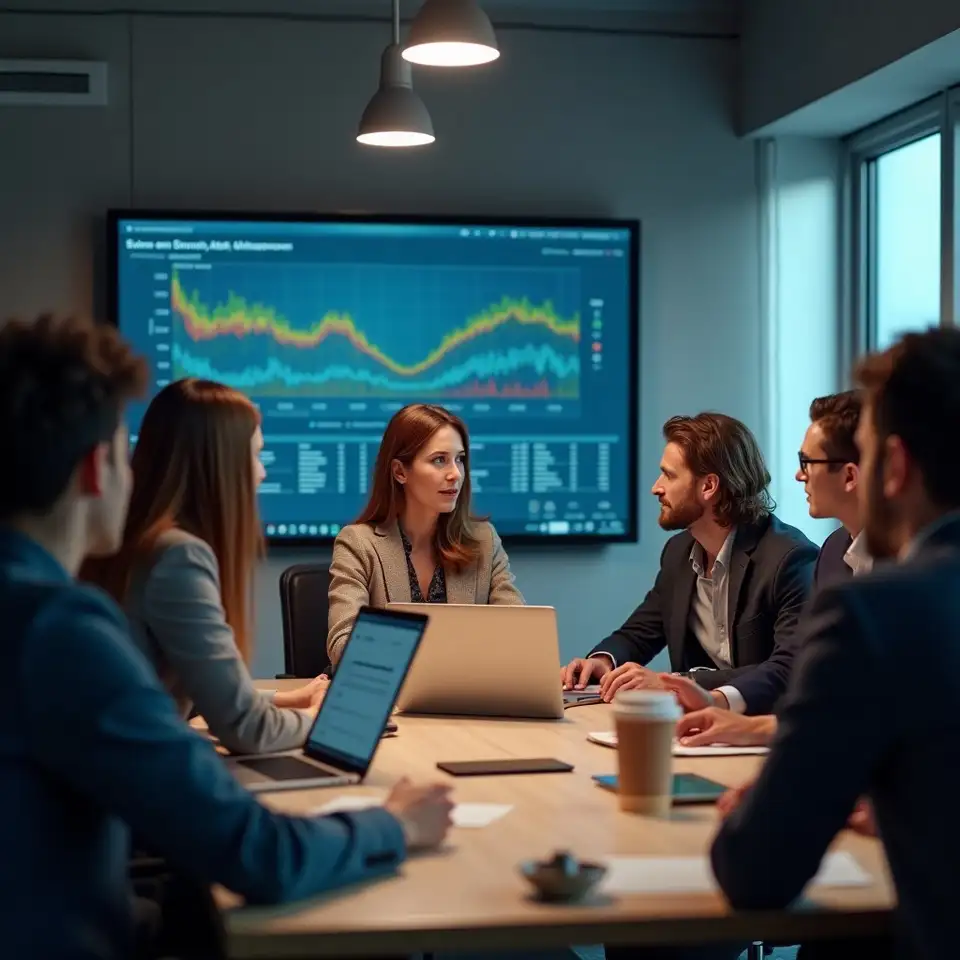
Step one: our team reviews your workflow through direct observation and digital process mining. We compare real-world steps to the official playbook, surfacing every manual detour and unplanned workaround.
AI Analysis With Human Context
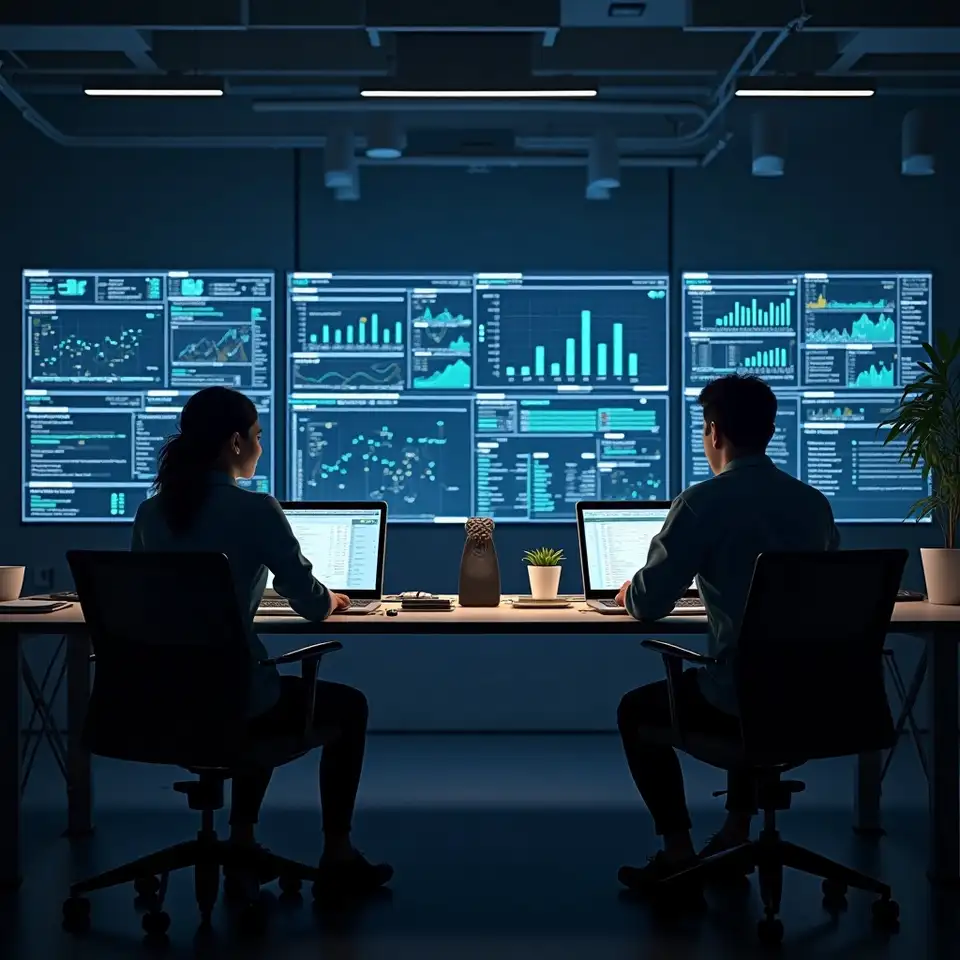
Step two: we run AI-powered analysis to flag recurring delays and resource conflicts. Instead of treating every flag as urgent, we walk your team through what’s signal and what’s just noise.

Blunt Reporting and Iteration
Final step: we report findings—frictions, risks, and trade-offs—without sugarcoating. Our documentation calls out what automation helps and where it just moves the problem elsewhere. Iterative, always.
Blunt Realities of AI Workflow Automation
No magic fixes—just methodical workflow bottleneck mapping, with all the messy trade-offs that come with real workplaces.
Automation myths mislead. Bottlenecks are persistent. Our work is blunt, technical, and iterative.
Automation spotlights new frictions as often as it resolves old ones. We make those trade-offs explicit in every engagement.
What Actually Happens When You Automate
We challenge the myth that automation removes all friction. Our method documents what actually changes—and what doesn’t.
Our process is transparent from start to finish. We share not only detected issues but also false positives, expected trade-offs, and recommendations for next steps. No glossing over inconvenient findings.

About Our Approach to Bottlenecks
Knocking down AI workflow myths
Myth: AI fixes workflow bottlenecks overnight. Reality: it finds the friction, but fixing it means dealing with old habits, not just broken code. We’re candid—automating a bottleneck sometimes just reveals the next one. That’s the point. Our process maps bottlenecks, explains root causes, and identifies where manual workarounds hide. We run process mining, then pressure-test with interviews. Sometimes the answer is a simple re-sequence; sometimes it’s stubborn legacy software. The trade-off: automating the wrong step can create new delays elsewhere. We document, not gloss over, those risks. When our approach flags a pattern, we bring it to your team. No hiding false positives or pretending every flag is a crisis. We learned from years in operations and analytics: bottlenecks are rarely solved in one pass. That’s why our work is iterative and our reporting is blunt.
Our Philosophy: Transparency, Iteration, and Candid Reporting
AI-driven bottleneck detection uncovers system and human issues alike. We highlight both, so teams see the full picture.
Where AI Workflow Detection Delivers—And Where It Doesn’t
Our iterative method starts with digital process mining, but we always check findings against workflow interviews and manual tracing. That’s where hidden friction emerges.
What Sets Our Bottleneck Detection Methodology Apart
Workflow bottlenecks are not always about outdated tools—often, they’re about mismatched processes, conflicting incentives, or legacy habits that outlast every platform upgrade. We believe AI should be a diagnostic, not a magic fix. Our method finds friction points, surfaces root causes, and clarifies real-world impacts, not just theoretical ones.
Mapping the Real Process
Every bottleneck analysis starts with mapping how work actually gets done—not how it was designed. We use process mining and interviews to expose invisible friction, manual detours, and system limitations.
Distinguishing Signal from Noise
We don’t overpromise. AI finds patterns, but only teams can validate if a flagged bottleneck matters or if it’s a necessary checkpoint. Our reporting distinguishes between urgent issues and minor inefficiencies.
Documenting Trade-Offs Clearly
When a bottleneck is detected, our workflow documents not only the immediate fix but also possible new frictions that automation might introduce. We emphasize transparency about these trade-offs up front.
Iterative, Not One-and-Done
Our process is iterative—after each intervention, we reassess. New bottlenecks can appear as a result of removing old ones. That’s expected, not a failure. We maintain clear communication throughout.
Our Perspective
People assume AI workflow tools just cut delays. In practice, they surface the real causes—human routines, not just slow code. Our team’s technical backgrounds in operations, software, and analysis shape every project.