Info: What Our Technical Reporting Actually Delivers
Here’s what you actually get: blunt technical reporting, candid trade-offs, and zero guarantees. We use process mining plus hands-on review to spot real workflow friction, then document both the measurable and the stubbornly hidden. Our team makes every limitation explicit, not just the benefits. If you want to know what gets better, what gets harder, and what never gets solved, you’re in the right place.

Lead Analyst Team
Workflow Analysis Leads

Technical Documentation
The limits and realities of AI-driven bottleneck detection—no magic, just methodical review and technical honesty.
AI workflow detection can only surface what’s measurable. Some frictions are hidden in routines or compliance steps, not system logs. Our team reviews both digital and manual processes to get a realistic picture. Reports clarify not just what slows work, but why—helping your team decide where to act and what to tolerate. We never promise perfect results or universal fixes. Instead, our documentation highlights the reality: improvement means trade-offs, and every fix can create new bottlenecks.
Ask usWorkflow Detection: What You Need to Know
People expect AI workflow tools to eliminate every delay. Our process shows that some
bottlenecks are technical, but many are the result of human routines. We document both,
highlighting trade-offs and next steps, not just fixes.
Every report we produce spells out the risks and possible side effects of workflow
changes. Automation creates new frictions as often as it removes old ones. We believe in
full transparency about these outcomes.
Our documentation is technical and candid. We combine AI process mapping with manual reviews and interviews, ensuring that each finding is grounded in both data and real-world context.

Expect clear, technical reporting—covering detection limits, trade-offs, and what new
frictions automation can introduce.
What Our Documentation Actually Covers
Our approach to workflow bottleneck detection is technical and blunt. No sugarcoating—just
the detail you need to make decisions.
We don’t offer one-size-fits-all solutions. Every analysis reflects the specifics of your process, from technical architecture to team routines. Our reports explain both the measurable friction and what remains hidden.
Our documentation covers not just what’s detected, but also the risks and trade-offs of
every recommended change. You get plain-language, technical review—no hype or empty
guarantees.
If you want to know what actually changes with automation, our process maps both
immediate impacts and new bottlenecks that might appear. We focus on detail, not
promises.
Why Our Reporting Is Different
No one gets a frictionless workflow. Our technical analysis shows the trade-offs and
risks as well as the possible improvements.
AI workflow detection is only one part of the picture. Human factors, outdated processes, and compliance steps all shape where bottlenecks form and how they’re fixed. We include all of these in our reporting.
Transparency is mandatory. Every report clarifies why a bottleneck was flagged, what
the root causes may be, and which steps might introduce new friction. We invite you
to review our documentation with a technical eye.
Automation is not a cure-all. Some processes can’t be changed or require human
oversight. Our analysis spells out these limitations, so teams know what to expect
and where to stay hands-on.
Visual Examples: How We Document and Review Bottlenecks

Workflow Analysis Diagram Example
This diagram outlines our hybrid approach: process mining, hands-on review, and iterative mapping. It visualizes how we document friction points, root causes, and trade-offs—not just simple fixes.

Sample Bottleneck Reporting Page
A sample report showing how we annotate risks, false positives, and possible workflow side effects. Every recommendation is matched to both digital findings and real-world interviews.

Team Review: Risks and Results
Our team reviews both the measured results and the new frictions that can appear after
automation. This step helps clarify what changed, what improved, and what trade-offs
surfaced.
Process Transparency and Trade-Offs
Full Transparency
Process transparency is central. We show how bottlenecks are mapped, where data comes from, and what’s left out. Our reports explain false positives, known system blind spots, and the rationale behind each recommendation.
Context for Every Analysis
No two teams have the same friction points. We don’t apply generic fixes. Instead, each analysis includes context: team interviews, system audit trails, and hands-on review of how work actually happens.

Known Limits and Trade-Offs
We document the limits of automation. Some steps can’t be automated, or shouldn’t be. Our candid reporting spells out both upside and downside, so you’re not surprised by new risks or workflow shifts.
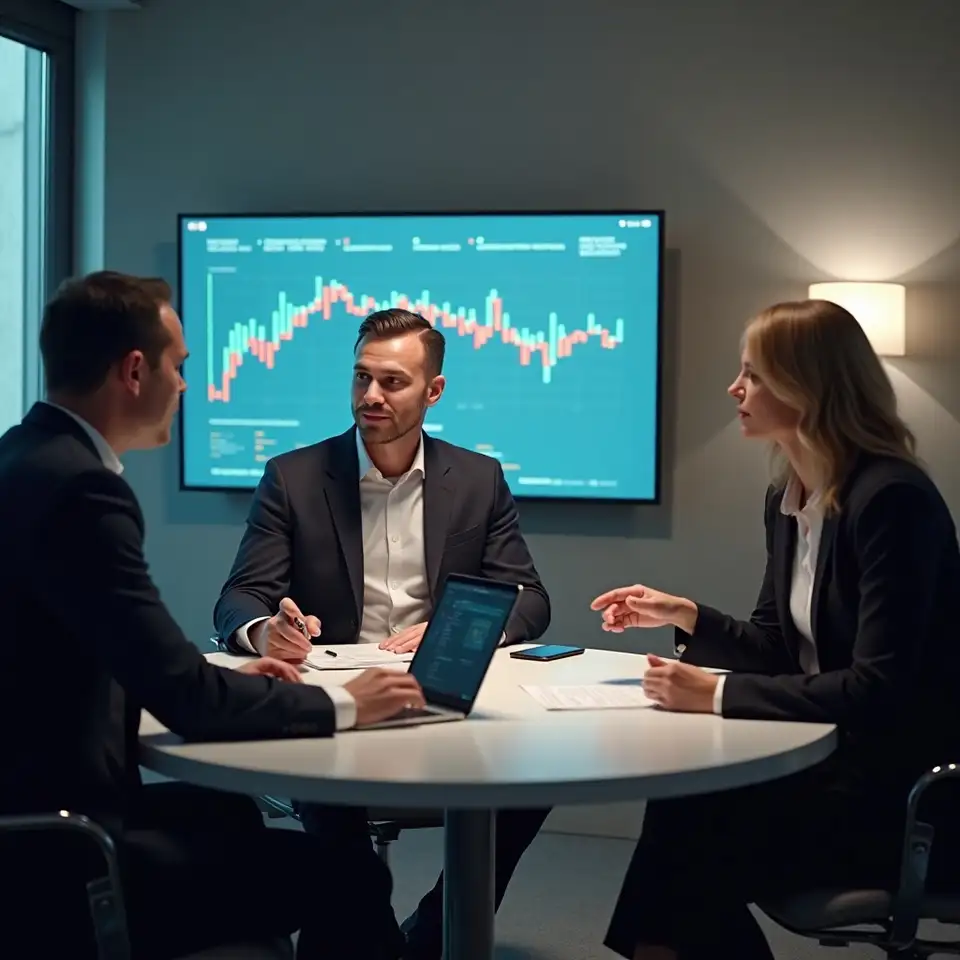
Want detailed information or have a technical question? Review our candid documentation or reach out for a blunt assessment of your workflow.
Key Points: What to Know Before You Start
Looking for the technical reality of AI workflow bottleneck detection? Here are the key things to know before starting: trade-offs are inevitable, results depend on context, and no tool replaces real-world team review.
-
01
Limits of Detection
No AI tool can spot every workflow issue. We surface what’s measurable, but some frictions remain hidden in routines, workarounds, or legacy compliance requirements.
-
02
Risk Reporting
Every workflow report includes risk analysis and plain-language explanation of what could go wrong with automation. We don’t bury side effects or gloss over inconvenient findings.
-
03
Manual and Digital Together
Manual review is always part of our process. Interviews and system tracing clarify what digital analysis misses, so every recommendation reflects reality, not just data.
-
04
Iterative, Not Instant
Improvement takes time and iteration. Our approach is to document, review, and revisit—never claiming a single pass can solve everything.